What’s Hiding Behind Your Bumper Cover? A Chrysler 300 Rear-End Repair, Up Close
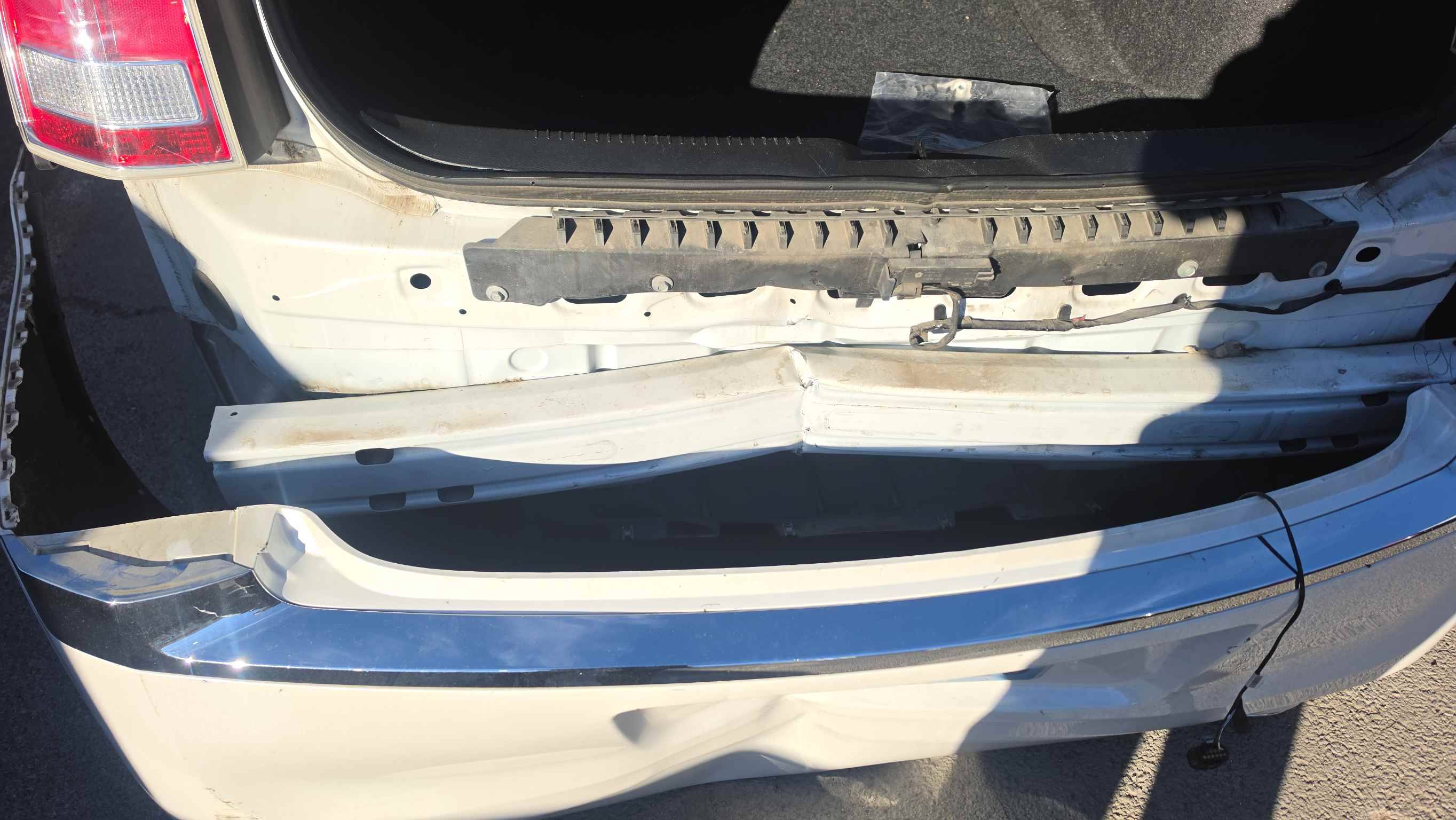
November 17, 2026A rear-end collision often looks like the simplest repair in the business: a creased bumper cover, maybe a cracked taillight. This white Chrysler 300 came into our Las Vegas shop looking like exactly that. Then we took the bumper cover off — and the real repair began.
The Bumper Cover Is Only the Skin
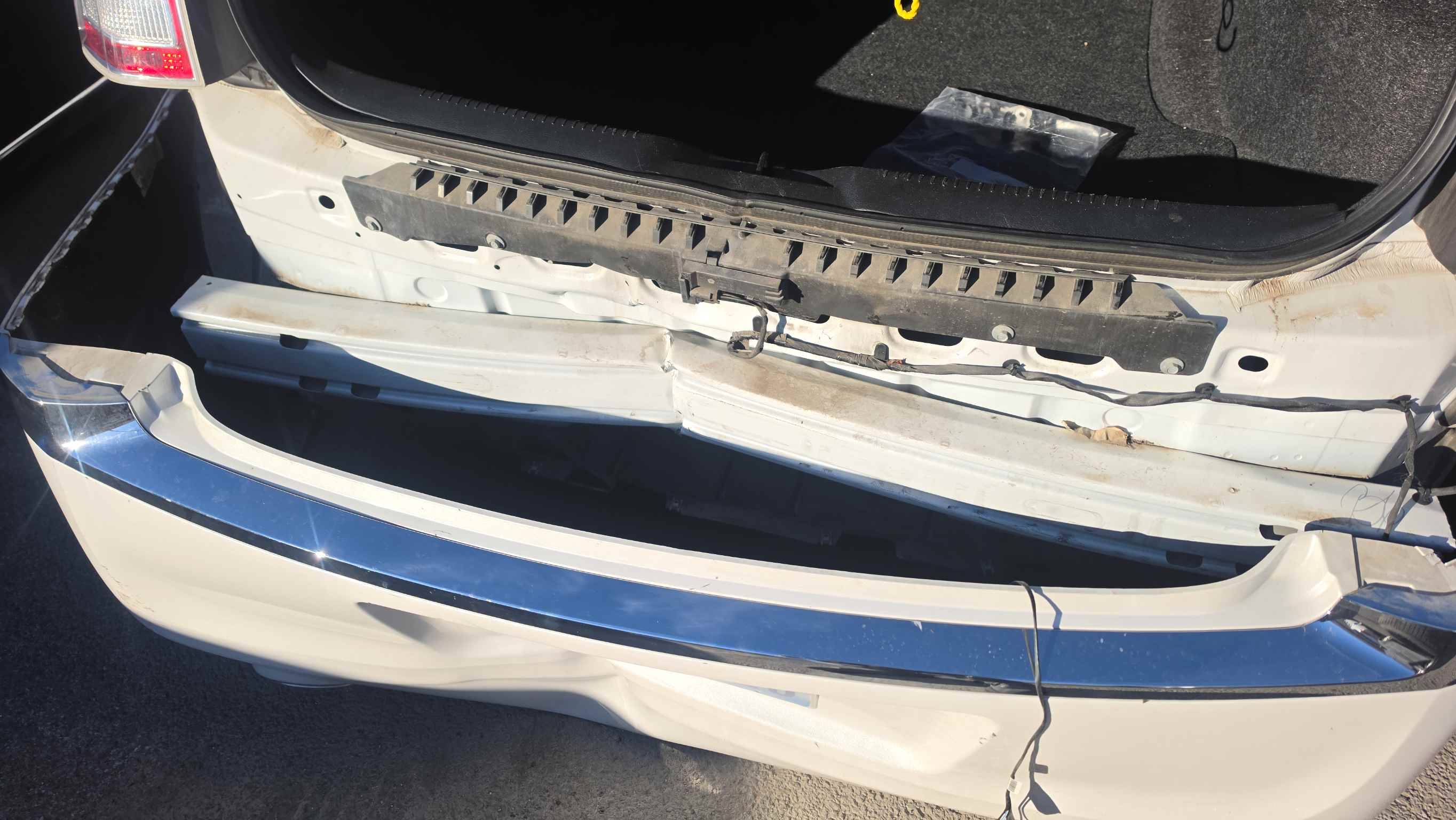
Modern bumpers are a system, not a single part. Under the painted cover sits a steel impact bar engineered to absorb crash energy, an energy absorber, the rear body panel — and, on cars like this 300, a rail of parking sensors wired into a harness that runs the width of the car.
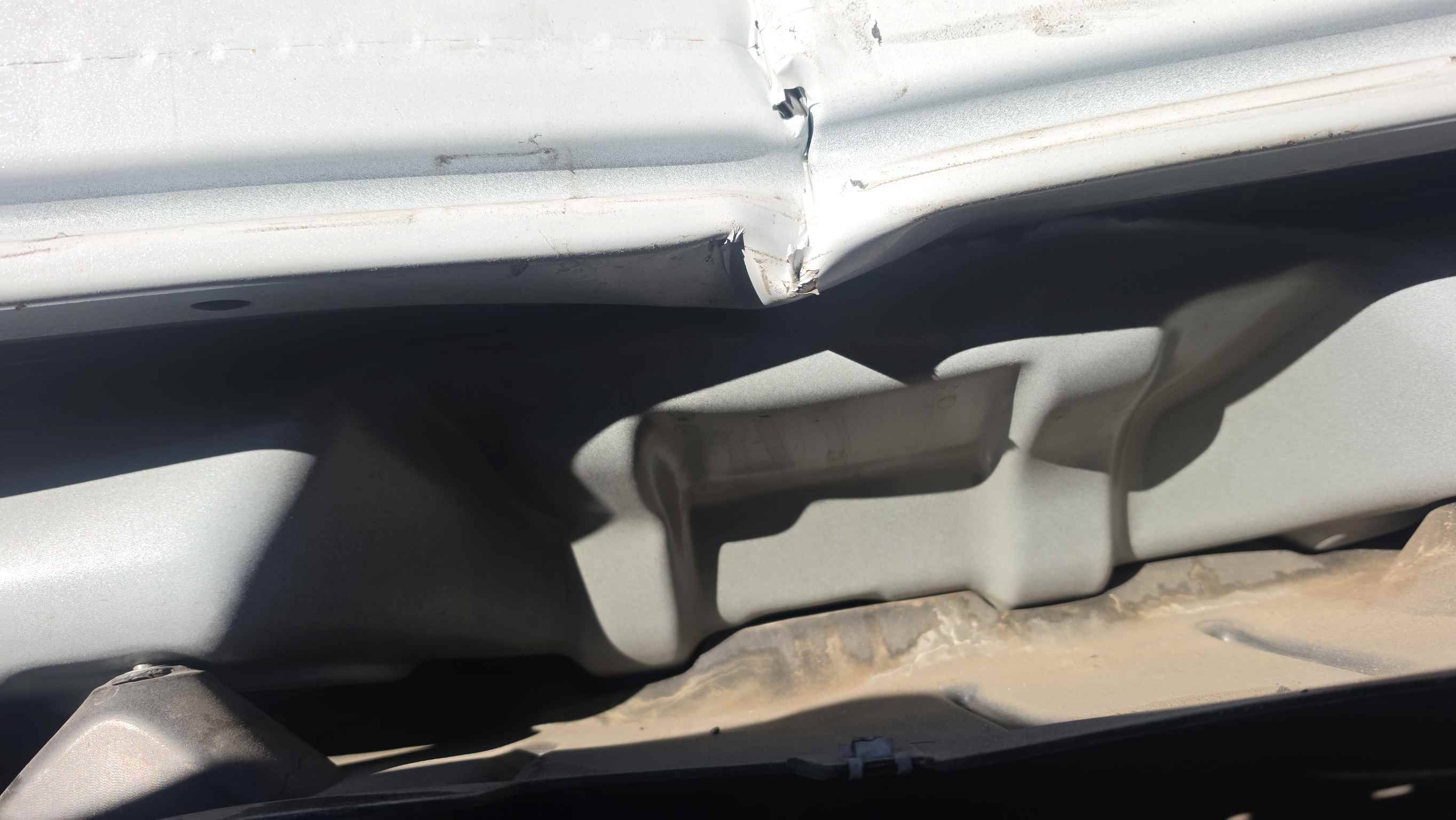
On this Chrysler, teardown showed the impact bar bent and kinked in the middle, right where the other car made contact. That bar did its job once. It cannot do it a second time, which is why bent reinforcement bars are replaced, not straightened and sent back out. Behind it, the rear floor structure inside the trunk had buckled — damage that is completely invisible until the car is disassembled and inspected panel by panel.
The Sensors Living in Your Bumper
Look at the wide black rail mounted across the rear body panel in our teardown photos: that’s the parking-sensor system. Those sensors are what beep faster as you back toward a wall, and on newer vehicles the same bumper area can carry blind-spot radar and cross-traffic alert hardware.
This is where a “cheap” bumper job quietly goes wrong. Sensors get painted over, mounted slightly out of position, plugged into a stretched or pinched harness, or simply never checked after reassembly. The bumper looks perfect — and the safety system doesn’t work the way the manufacturer designed it to.
At AMG, every repair follows the vehicle maker’s procedures. Where a repair requires a calibration, we identify it up front, manage it end-to-end with our specialist calibration partner, and verify the system before the car is delivered. We never hand back a vehicle with a required check or calibration outstanding.
Why Teardown Comes Before the Final Word on Any Repair
The buckled rear floor on this 300 is the perfect example of why the first estimate on any collision job is a starting point, not the whole story. No estimator — ours or an insurance company’s — can see through a bumper cover. The honest sequence is: inspect, disassemble, document everything with photos, and then build the complete repair plan.
That documentation protects you. Every hidden item we find is photographed and written up so the full scope of the damage is on record — for you and for your insurer — before repair work proceeds.
Repaired to OEM Procedures, Finished to Match
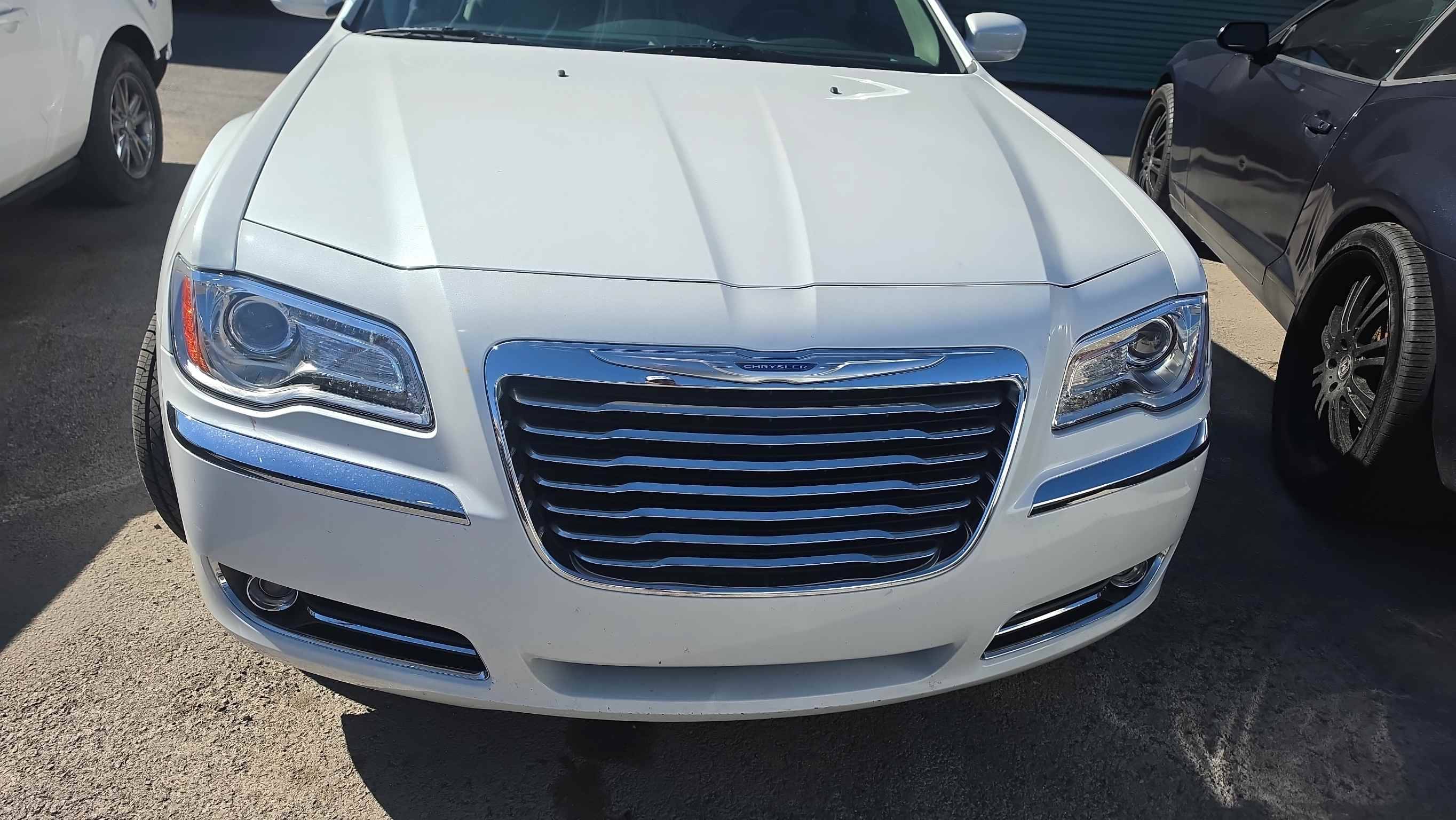
Once the structure is right, the visible work has to be right too: panel gaps even, paint matched and blended so the repair disappears, trim and sensors refitted exactly as the factory built them — the same standard on a Chrysler 300 as on every make we repair.
We’re not the cheapest shop in Las Vegas, and we’re not the most expensive. What we promise is quality and service over anyone.
Had a Rear-End Collision in Las Vegas?
If your bumper took a hit, the damage you can see is only part of the story. Get it inspected properly — estimates at AMG Autobody & Repair are free.
Get a Free Estimate or call us at (702) 781-8001. AMG Autobody & Repair, 3730 Capella Ave Suite #1, Las Vegas — collision repair done to OEM procedures, every time.
Frequently Asked Questions
Can a bent bumper impact bar be repaired, or does it have to be replaced?
A bent or kinked impact bar has already absorbed its crash. Manufacturer procedures call for replacement, because a straightened bar won’t absorb energy the same way in a second collision. We follow the OEM procedure — replacement.
Will my parking sensors still work after a bumper repair?
They should — if the shop checks them. Sensors can be damaged, misaligned, or connected to a pinched harness during a repair. We inspect the sensor rail and harness at teardown, refit to factory specification, and verify operation before delivery. If a repair requires a calibration, we manage it with our specialist calibration partner and confirm it’s complete before you get your keys back.
Why did the repair scope grow after my car was taken apart?
Because some damage is physically hidden until disassembly — like the buckled rear floor on this Chrysler 300. A good shop documents hidden damage with photos and updates the repair plan (a supplement) before proceeding, so there are no surprises about what your car actually needs.